What Are Flexible Stone Wall Panels?
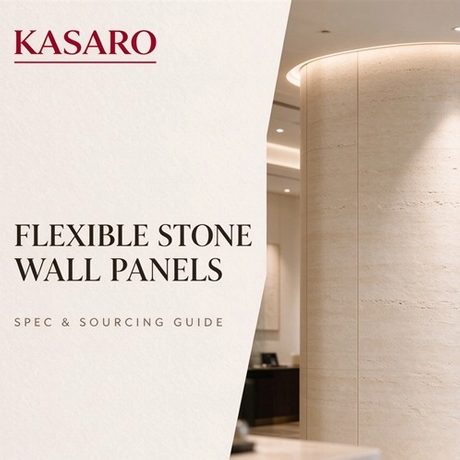
Flexible stone wall panels (also called flexible stone veneer, soft stone panels, or MCM panels) are ultra-thin sheets made from natural stone powder bonded with modified inorganic materials. The result is a flexible, lightweight cladding that reproduces the texture of natural slate, sandstone, travertine, or granite — without the weight and installation cost of the real thing.
Typical panel thickness is around 2–4 mm. Panels can be supplied in flat sheets or rolls, making them easy to store, ship, and handle on site.
How Are They Made, and What Options Do Buyers Have?

The manufacturing process presses natural stone powder into a thin, durable sheet with a modified inorganic composite binder — no resin-heavy plastic layers, which keeps the material breathable and closer to real stone in feel.
Buyers typically choose from:
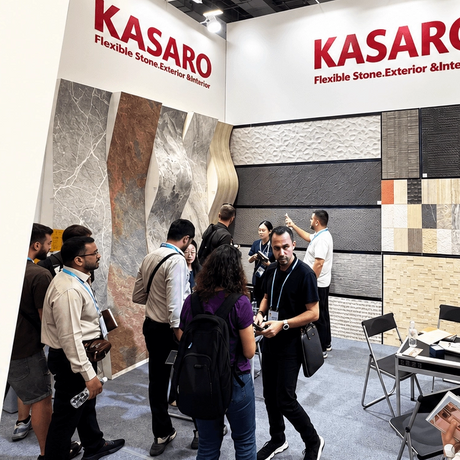
- Surface textures: slate, sandstone, travertine, brick, and other stone-effect finishes
- Sizes and formats: flat sheets or rolls, in standard or custom dimensions
- Finishes: natural, honed, and color-matched options for project branding
Because production is mold-based, custom colors, textures, and sizes are available for branded projects — a key consideration for hospitality chains and retail rollouts.

Why Choose Flexible Stone Over Traditional Wall Materials?
Four practical reasons drive the switch, especially on commercial projects:
- Lightweight. At a fraction of the weight of natural stone, flexible stone panels reduce structural load and are easier and safer to handle on site.
- Flexible. The material bends around curved walls, columns, arches, and other non-flat surfaces where rigid stone and tile simply cannot go.
- Fast to install. Large-format panels cover more area per hour, which shortens construction schedules and lowers labor cost.
- Thin. Minimal build-up keeps usable floor space and works over existing surfaces without major demolition.
A side-by-side comparison with tile, natural stone, and wallpaper follows in next week's article — for now, the short version is: flexible stone wins wherever weight, curves, and installation speed matter.

Where Can You Use Flexible Stone Wall Panels?
The product works in both interior and exterior applications:
- Hotel lobbies, corridors, and guest rooms
- Office reception walls and meeting rooms
- Retail stores and showrooms
- Restaurants and cafés
- Residential feature walls, fireplaces, and kitchen backsplashes
- Building facades and exterior cladding

Detailed design ideas for each space are coming in a dedicated article next week.
Why B2B Buyers Are Turning to Flexible Stone
For contractors, designers, and procurement teams, the appeal goes beyond looks:
- Lower logistics cost. Lightweight panels cost less to freight and suffer less transit damage than stone slabs or heavy tile.
- Shorter project timelines. Faster installation means earlier handover and better use of the site team.
- Consistent quality. Factory-controlled production delivers uniform color and texture across large orders — essential for chain projects.

What to Check Before You Source
When comparing suppliers, look for:
- Free samples to verify texture, flexibility, and color accuracy against your reference
- OEM / ODM capability for custom colors, sizes, and branding
- Minimum order quantities and realistic lead times
- Factory credentials — production line, quality control, and export experience
- Consistent packaging that protects panels in transit (foam-lined cartons, palletized, moisture-protected)
Continue the Conversation with KASARO
Whether you are building a new product range or selecting materials for an upcoming project — request our catalog, discuss sample options, and talk through your customization requirements.
Request Catalog, Sample or Quote